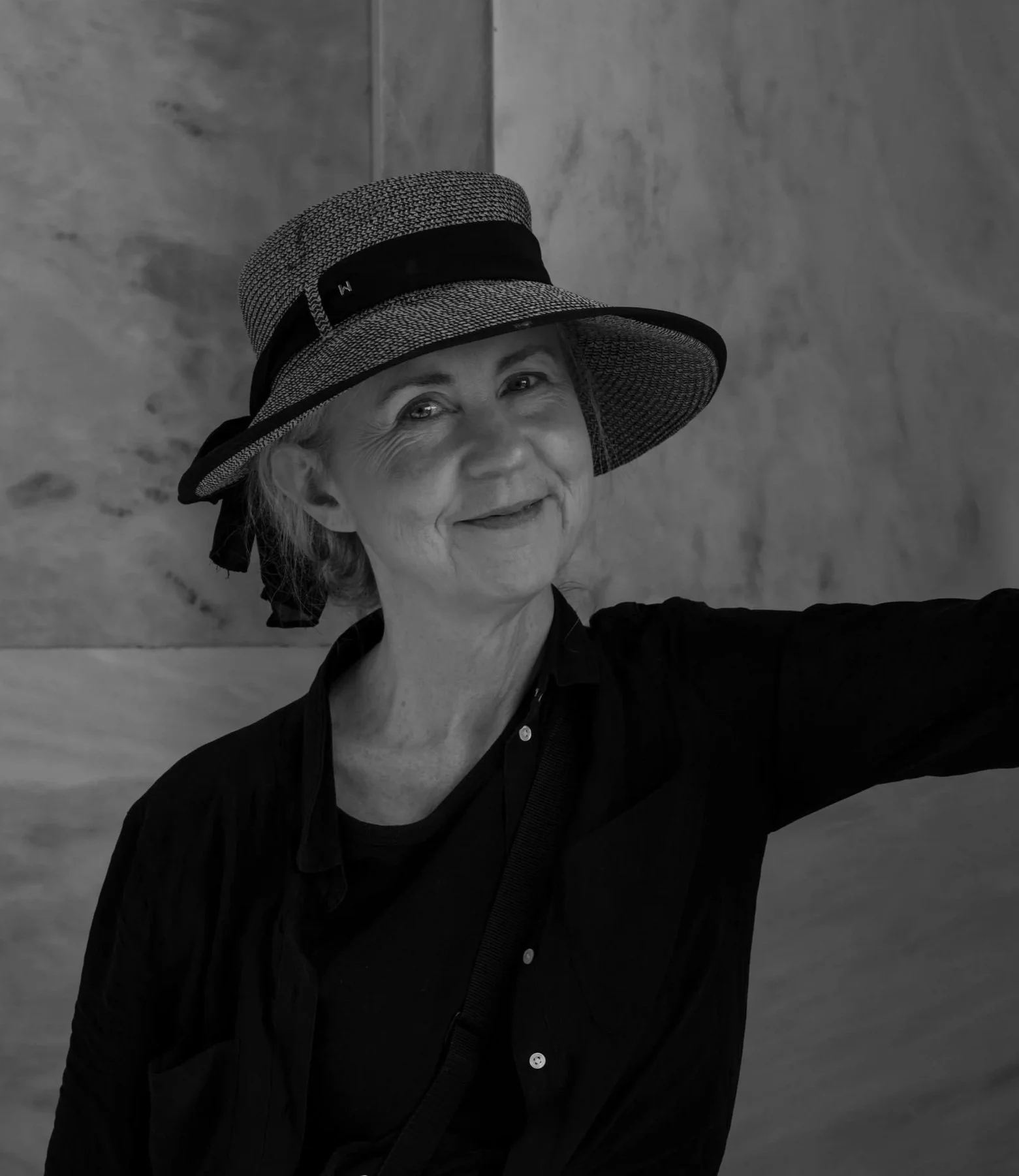
Michelle Hiscock
Michelle Hiscock trained at the Canberra School of Art, Australian National University, graduating in 1991. Throughout her career she has developed a pictorial language rooted in plein-air painting and exploring the traditions of classical landscape from a contemporary perspective.
Hiscock has held numerous solo exhibitions in Sydney, Melbourne, and Adelaide, and survey exhibitions at the Shoalhaven Regional Gallery and Rusten House in Queanbeyan. She has been a finalist in many prestigious art awards, including the Gallipoli Art Prize and the Archibald Prize, and was the winner of the Portia Geach Memorial Award in 2025.
Her experience painting wartime landscapes began with joining the 2017 sketching tour to the First World War battlefields of Northern France and Belgium, resulting in the touring group exhibition Salient: Contemporary Artists at the Western Front and the solo exhibition War and Peace at Australian Galleries in 2018.
‘It was fascinating to see how the topography of Greece dictated a pattern of military engagements that mirrored the famous battles of ancient history. I was also surprised by the pictorial effects of the beautiful autumn light, having previously only travelled through Greece in the height of summer.
There were few traces of the conflict because the battles were swift – forces were on the move, so it was challenging to convey the significance of each site. We relied on the stories of hardship and heroism, and our imaginations. I concentrated on finding the most characteristic view of the landscape at the centre of each stage of the campaign.
I was especially keen to see where my husband‘s grandfather, A. S.‘Tubby’ Allen had fought in the Battle of Tempe Gorge, having previously followed closely in his footsteps on the First World War battlefields of the Western Front at Pozières and Messines .
Allen had been given command of the 16th Brigade, 6th Division AIF in 1938. On the 18th of April 1941, the 2/2nd and 2/3rd Battalions, along with reinforcements from the New Zealand 21st Battalion, fought a desperate rear-guard action along the Pinios River to delay the German advance towards Larissa. They succeeded in holding the Germans long enough to allow the main body of the British Commonwealth Force to retreat south to the Thermopylae Line in good order. Allen’s leadership and ‘extreme coolness’ in the heat of battle earned him the Greek Military Cross.
Stories like this, along with the short time available to us in each location, made sketching in the field challenging and exciting in equal measure.
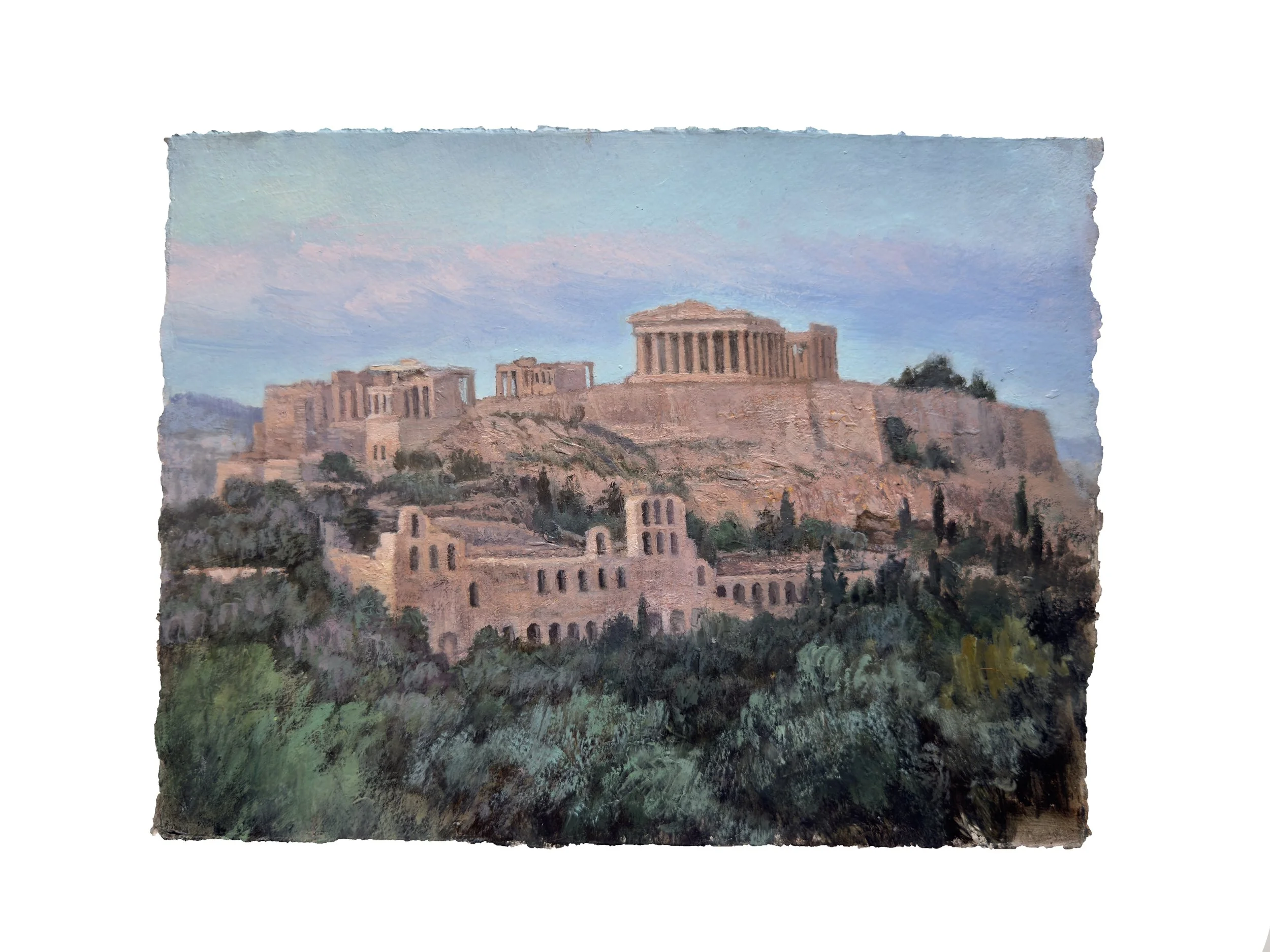
Acropolis at dusk, 2025, oil on paper, 21x28cm
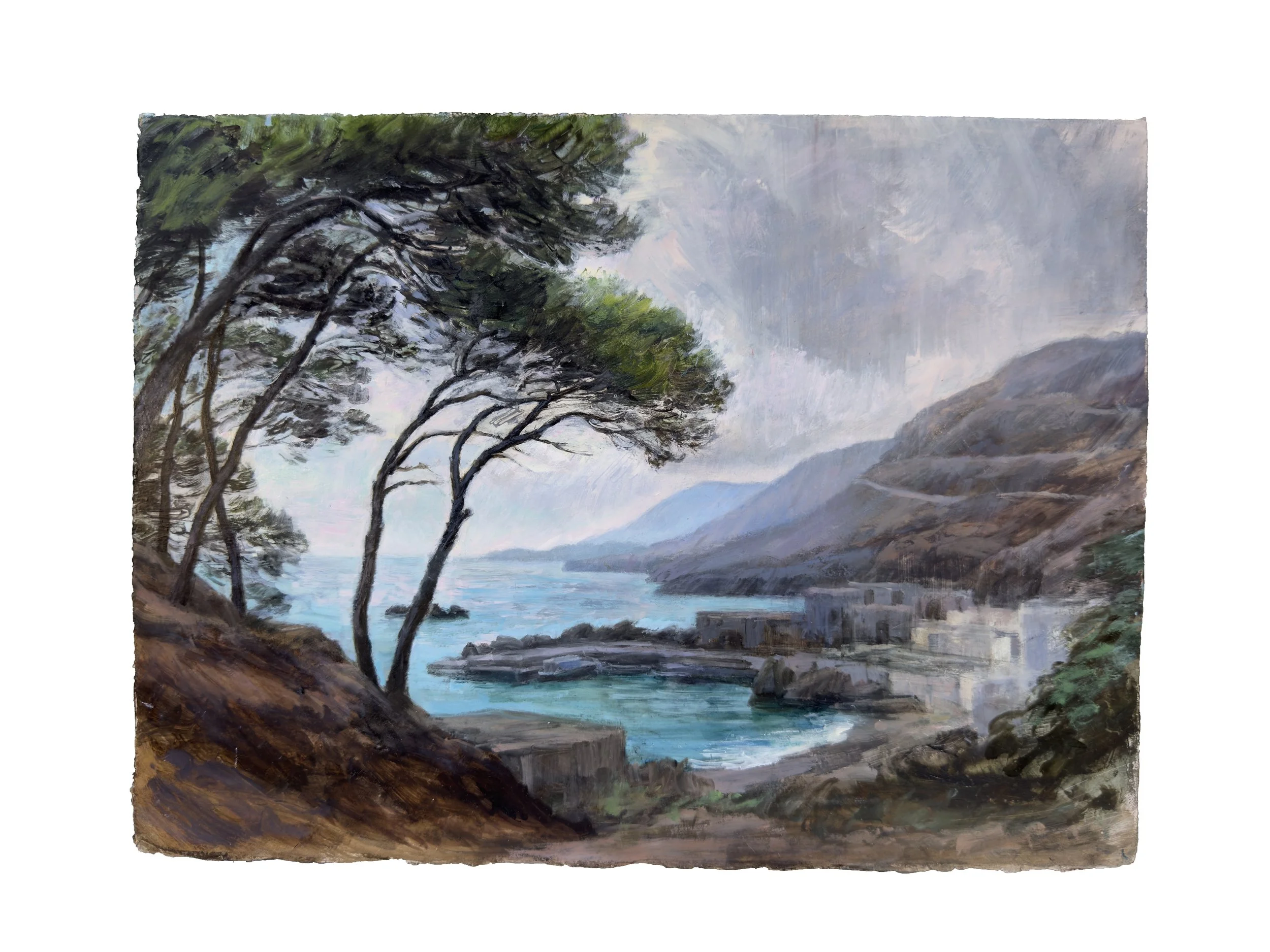
Sfakia, 2025, oil on paper, 28x38cm
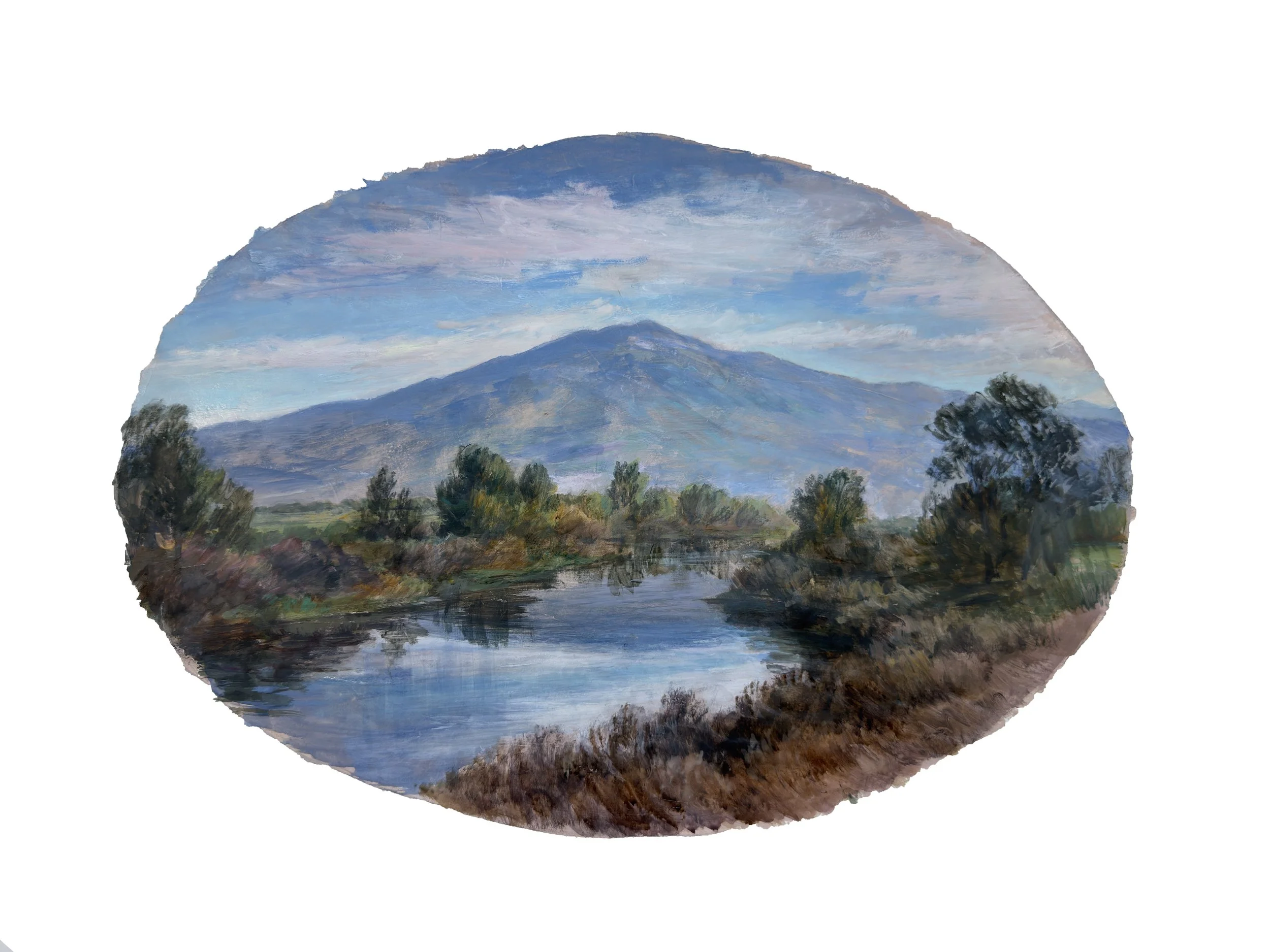
Pineios River, 2025-26, oil on paper, 35x50cm
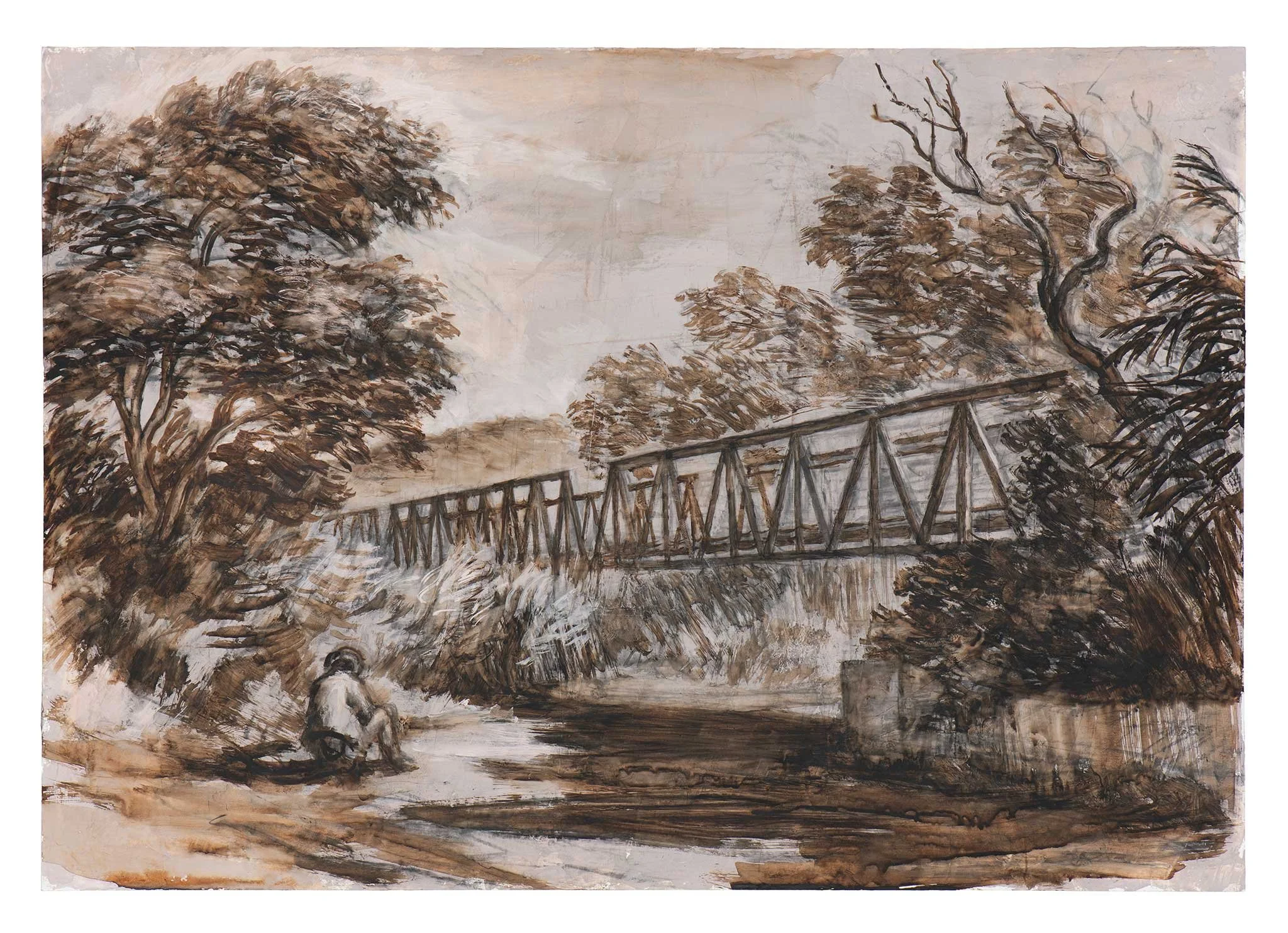
Tavronitis Bridge with Hill 207, 2026, 34x50cm
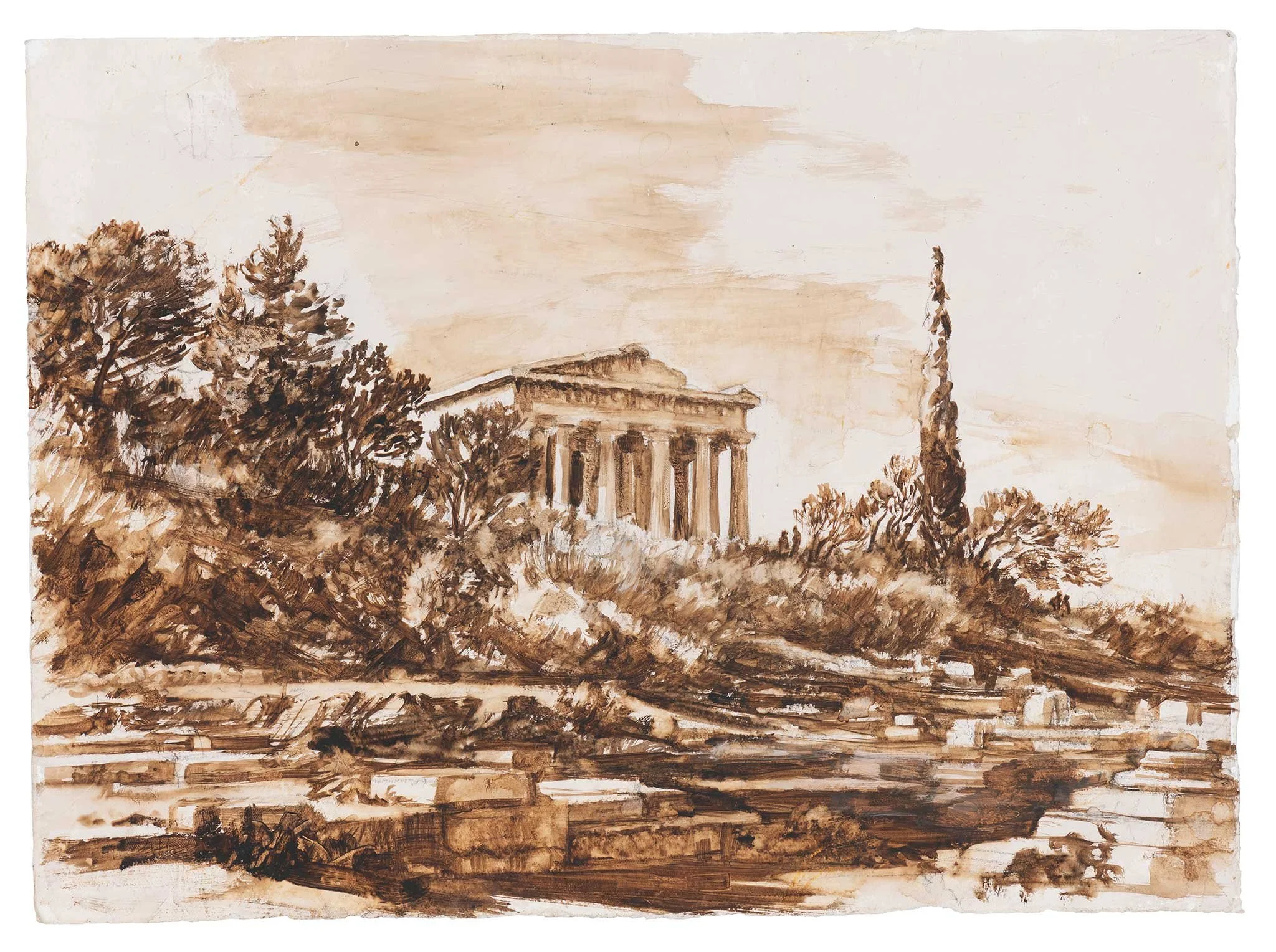
Temple Of Hephaeshes, 2025-26, 38x28cm
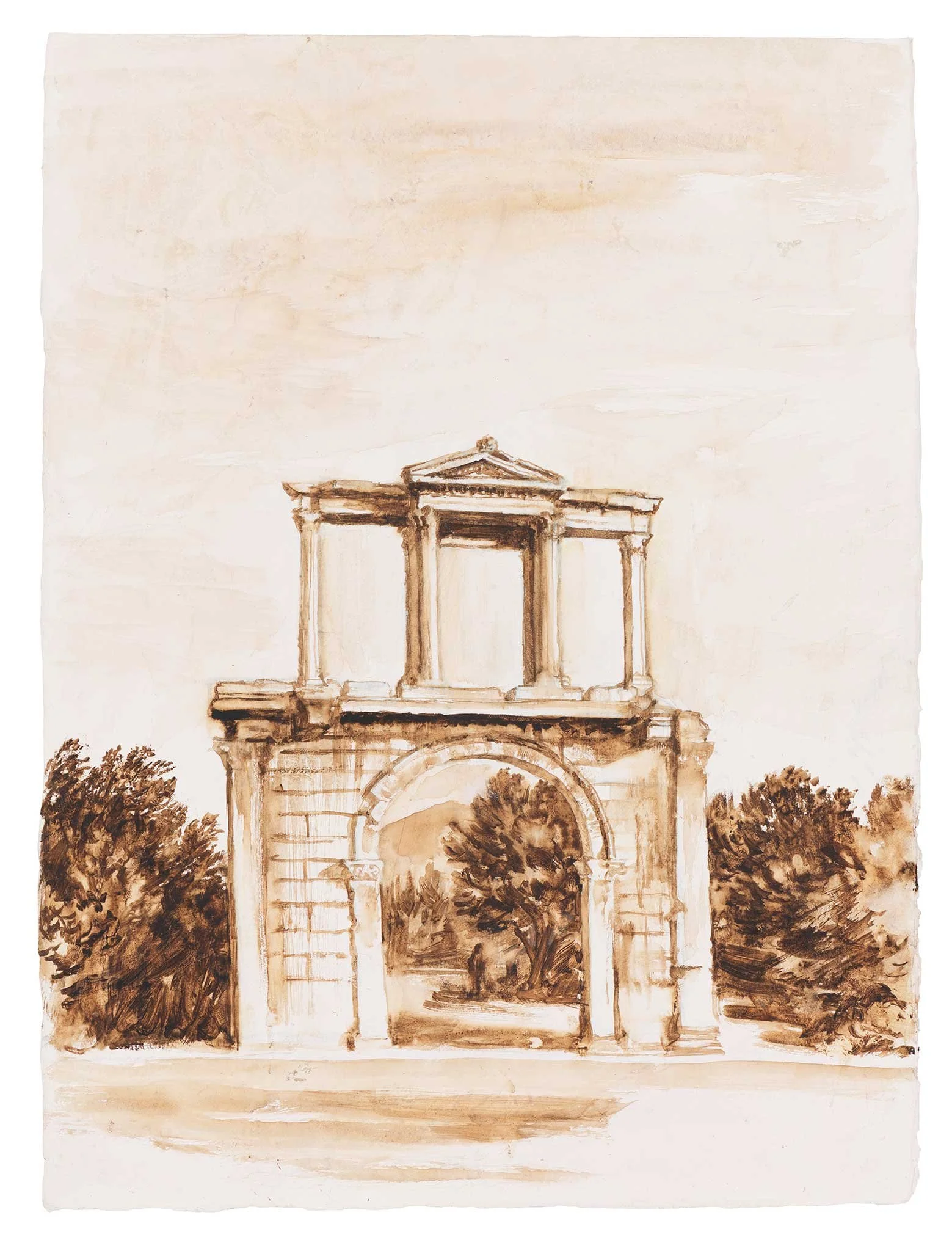
Bunker, Arch Of Hardrian, 2025-26, 38x28cm
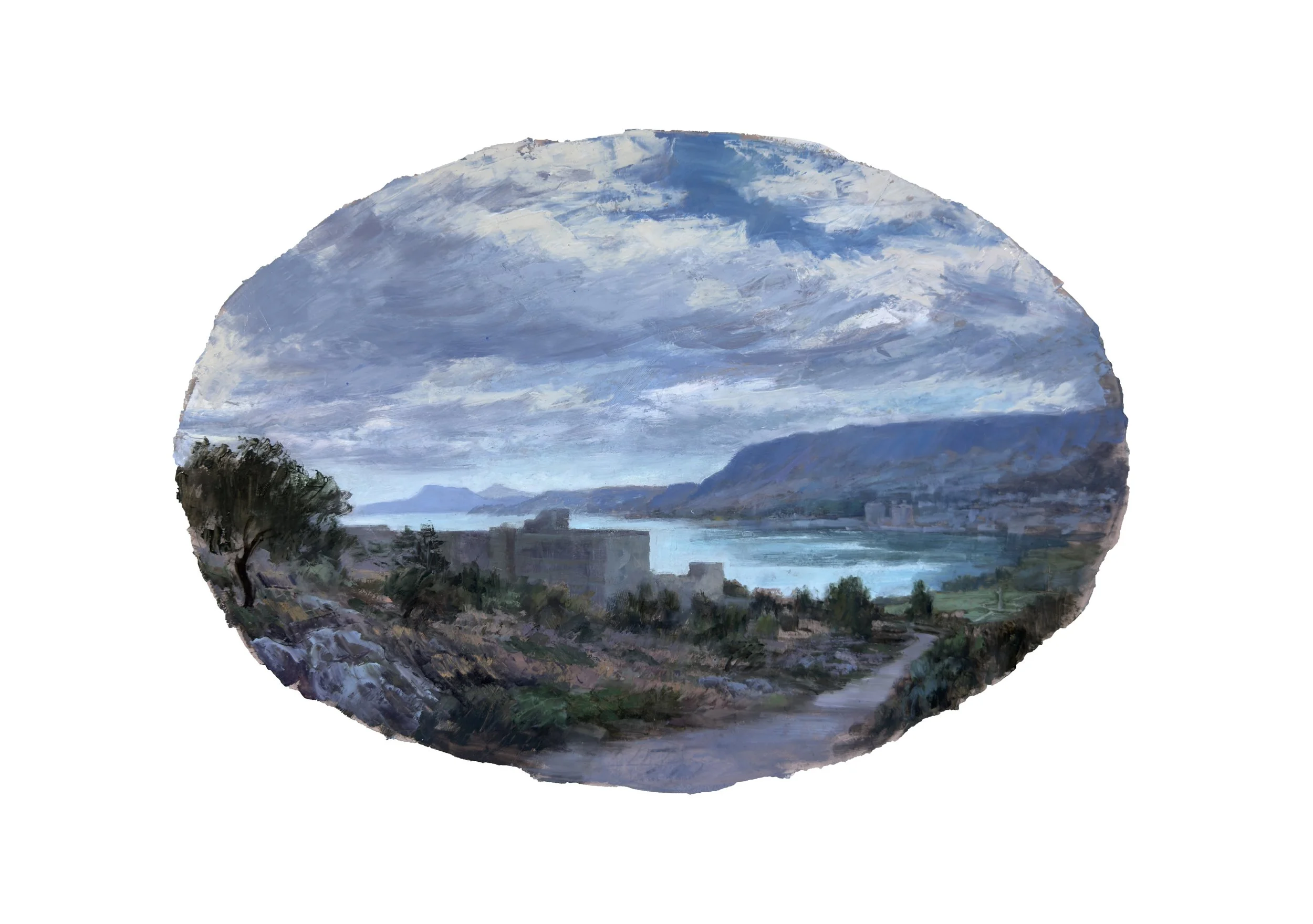
Souda Bay, 2026, oil on paper, 35x50cm
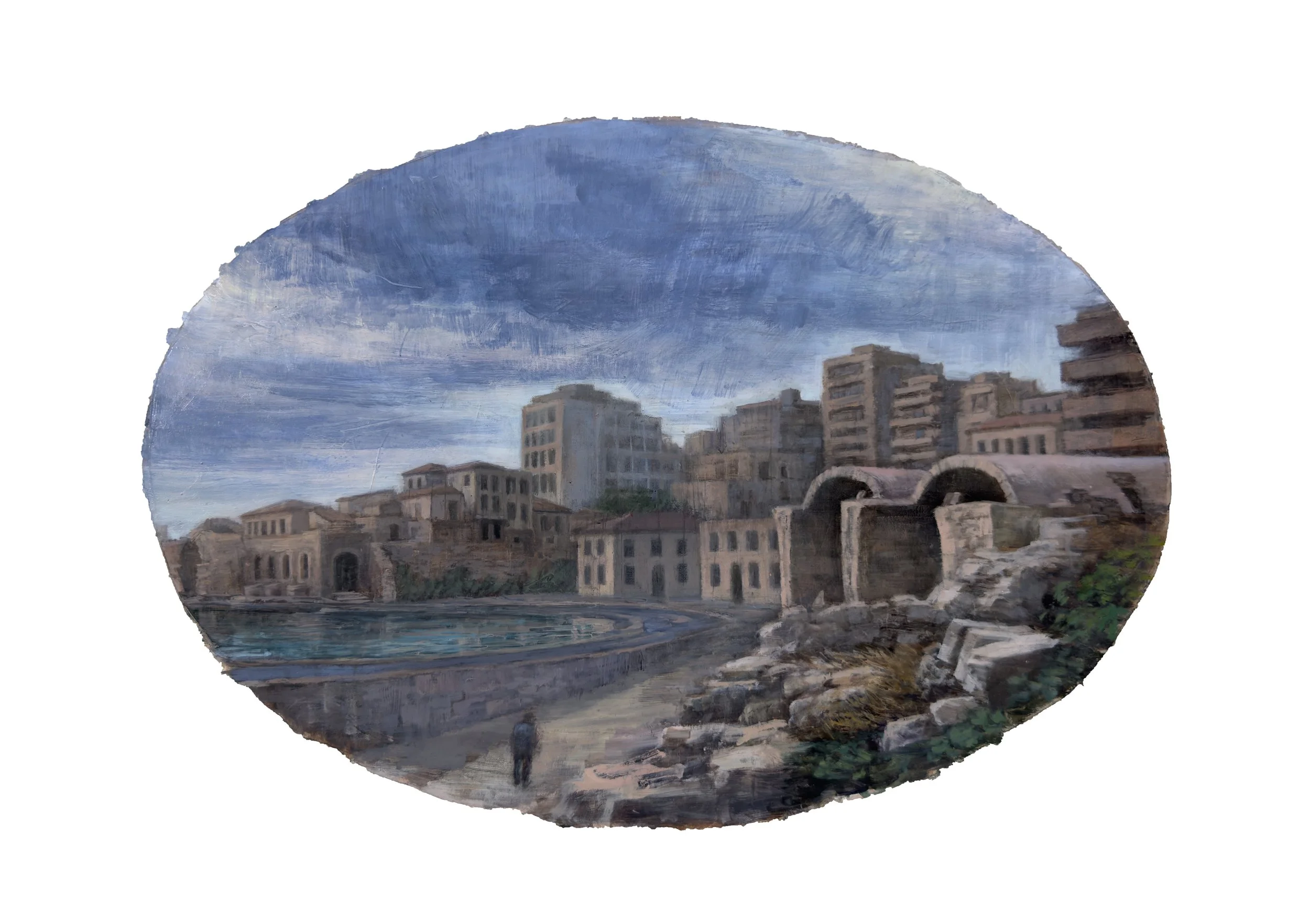
Heraklion, 2026, oil on paper, 35x50cm
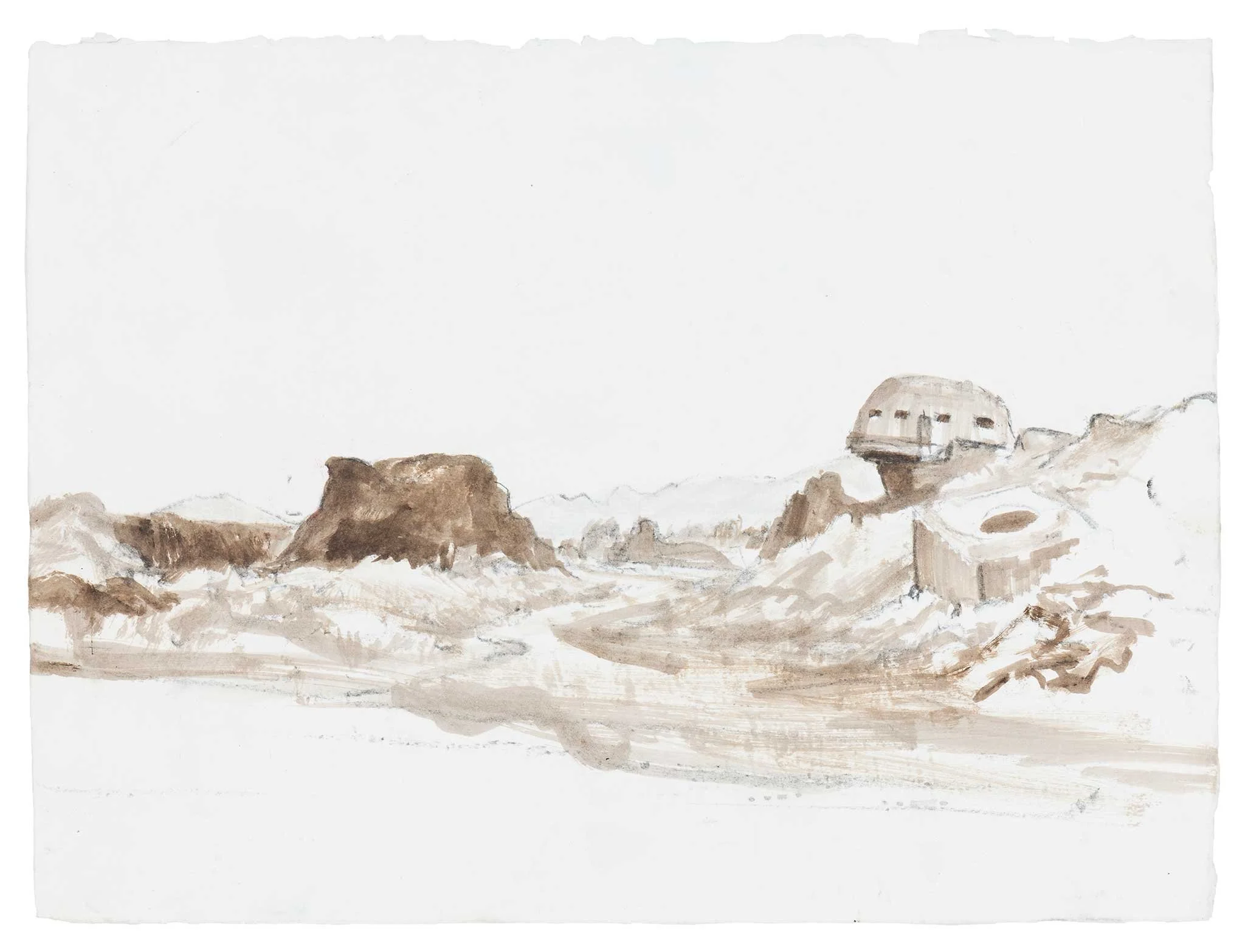
Bunker, Italian Bunkers Corinth, 2025-26, 38x28cm
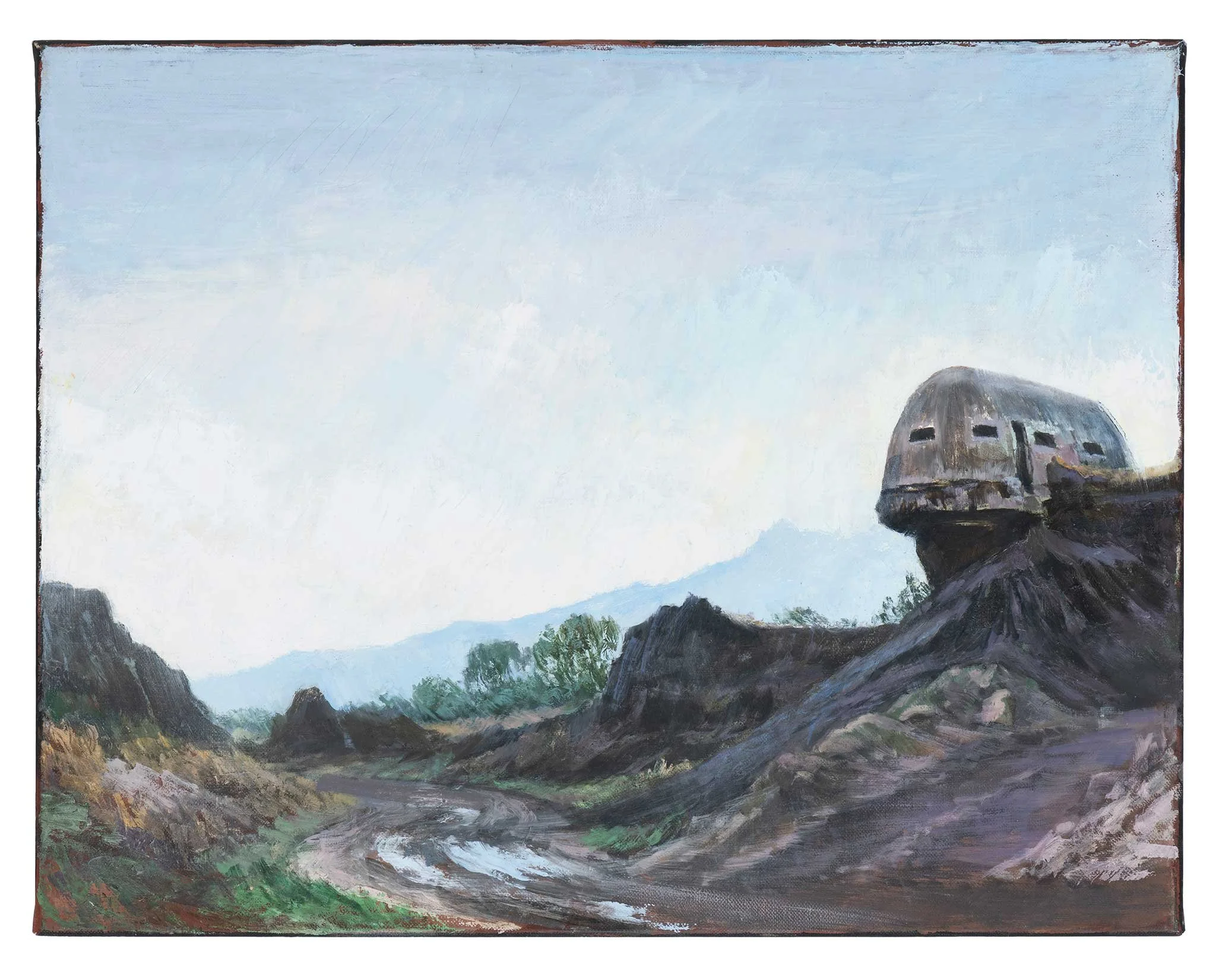
Bunker, Corinth Canal, 2025-26, 35x50cm